October 10, 2026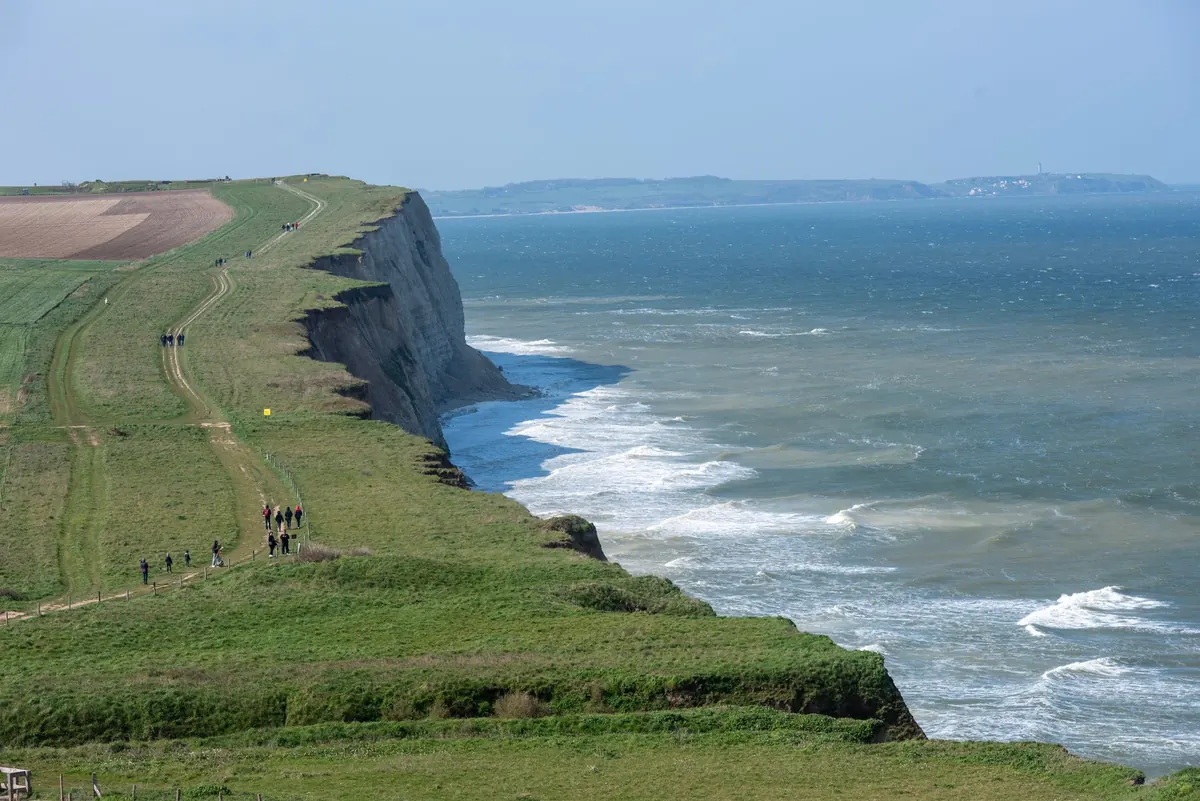
Two retreats, similar price, same week, both with daily yoga and a cook who knows what to do with a squash. One sits above a Pembrokeshire bay; the other occupies a converted barn in the Yorkshire Dales. That single difference will shape your week more than any timetable. Here is how to work out whether you are a sea person or a soil person.
The walk you will actually take
Coastal walking is rarely gentle. Cliff paths climb and drop, sand and shingle slow you down, and a headland that looks twenty minutes away on the map can take an hour with a wind against you. The payoff is constant: a new view every few hundred metres, sea on one side, and usually a decent bench at the top.
Countryside walking is softer underfoot but longer in distance. Field paths, bridleways, stiles, gates and livestock. From October to April you will meet mud, and in damp valleys it stays slick well into spring. What you get instead is variety of detail: hedgerows, woods, a lane that ends at a farm, a pub that opens at noon.
One rule applies to both: choose a retreat with a footpath from the door. If you have to drive to start a walk, you will walk less, especially in the late afternoon when the sofa calls.
A short kit note
- A hooded waterproof rather than an umbrella. Coastal wind makes umbrellas a joke.
- Shoes with real grip: wet rock and clay are both unforgiving.
- Midges are a genuine factor in western Scotland and parts of the Lake District on still summer evenings. Pack repellent if you react badly.
- A head torch for winter stays, when sunset can arrive before dinner.
Weather, and how much it matters
The coast is windier and milder. Sea temperatures flatten the extremes, so February on the Cornish coast often feels less brutal than February inland, but the trade-off is horizontal rain and a breeze that finds every gap in your clothing. Sea mist can cancel a planned headland walk entirely.
Inland, you get frost pockets and valley fog that sometimes sits until midday. Summer can be hotter in sheltered rural spots, and rain tends to linger rather than blow through.
Judge a retreat by its indoor rooms, not its photographs. A coastal stay needs a warm lounge with a view worth watching when you cannot go out. A rural stay needs a wood burner and, ideally, a drying room. Ask about both before you book. The drying room question alone will tell you whether the place is run by people who walk.
Getting there without a car
Some of the best coastal retreats sit at the end of a long single-track lane, with a bus that runs twice a day in summer and not at all in January. Countryside retreats often cluster near market towns with stations and a taxi rank, which makes a car-free week far easier.
Before booking, ask three things:
- Is there a transfer from the nearest station, and on which days?
- Are taxis available on a Sunday?
- How far is the nearest shop or café on foot?
If mobility is a consideration, be specific. Coastal paths often mean steps, uneven stone and no alternative route at high tide. Rural footpaths bring stiles, gates and sometimes cattle. Ask whether there is a surfaced, step-free route from the building, and whether the grounds alone would be enough for a day or two without going further. A good retreat will answer clearly rather than vaguely.
Solitude, and the soundscape you prefer
Waves are constant. That is either the point or the problem. Surf masks other noise, which suits people who find complete silence unnerving, and it can also mask the quiet you came for. Off season, a coastal village in November is close to deserted. In August, the same place may be busy enough that your morning sit is accompanied by a car park filling up.
Countryside quiet has more texture: birds, sheep, a tractor two fields away, church bells on a Sunday. Villages can still be busy at weekends, particularly in honeypot areas.
Check the digital silence too. Mobile signal is patchy in coastal folds and deep rural valleys, which some guests love and others find stressful. Ask whether Wi-Fi reaches the bedrooms or only the shared space.
Mood: big skies or gentle shelter
Stand at the edge of the sea and you get scale, horizon and a sense of being at the border of things. Many people find that bracing and clarifying, good for lifting a low mood or breaking a mental loop. Others find open water agitating and sleep badly for the first two nights.
Green space tends to feel enclosed and sheltering. Woods and hedgerows soothe in a slower way, and people often describe rural retreats as restorative rather than energising. If you are exhausted rather than restless, that distinction matters.
A simple test: think of a time you felt genuinely settled. Were you looking at water or at trees? That memory is better guidance than any list of benefits.
One caution if cold-water swimming is part of the appeal: sea dips and river swims carry real risks. Never swim alone, check tides and currents locally, and speak to a doctor first if you have a heart condition, are pregnant or have a long-term health issue.
Matching the setting to the week you want
- You want deep sleep and very little activity: a rural cabin, ideally at the end of a track. Fewer decisions, less noise.
- You want daily movement with a view: coastal path country, accepting that your legs will notice.
- You are travelling by train: a countryside town with a station, or a coastal town that has one. Both exist; many coastal villages do not.
- You want swimming as a daily ritual: the coast for sea, or a rural retreat on a lake or river for calmer water.
- You are going in winter: the coast is often milder but windier; inland is stiller but colder and muddier.
- You cannot decide: look at estuaries and coastal rivers, where both landscapes meet within a short walk.
Choosing in ten minutes
Write down the one thing you want more of: sleep, movement, silence or company. Then check the travel chain, station to door, including the last three miles. Read the retreat's own description of its grounds, since that is where you will spend most of your time, and note whether they mention what guests do when it rains. A place that has an answer has thought about it.
Finally, accept that both settings will deliver a good week if the walking is easy to reach and the evenings are comfortable. Pick the landscape you would happily sit in for five days doing nothing, and the rest tends to take care of itself.
Photo: Jan van der Wolf / Pexels